Not too long ago, the rise of ecommerce had many experts predicting the “retail apocalypse,” which meant the inevitable death of the brick-and-mortar store. However, the reality has turned out to be quite different. Physical stores are not dead. They are evolving.
Today’s most successful retailers understand that offline and online channels are not competitors. They are two sides of the same coin. Implementing a strong omnichannel retail strategy is no longer just a luxury. The modern consumer does not see a brand as a “website” or a “shop” because they just see the brand. Most of shoppers expect their journey to be completely fluid between physical and digital spaces.
If you are running your retail locations and digital channels separately, you are leaving money on the table. You need to link physical and online store operations to thrive. Here is why embracing offline to online commerce is an absolute necessity for your business growth.
1. Delivering a Seamless Customer Journey
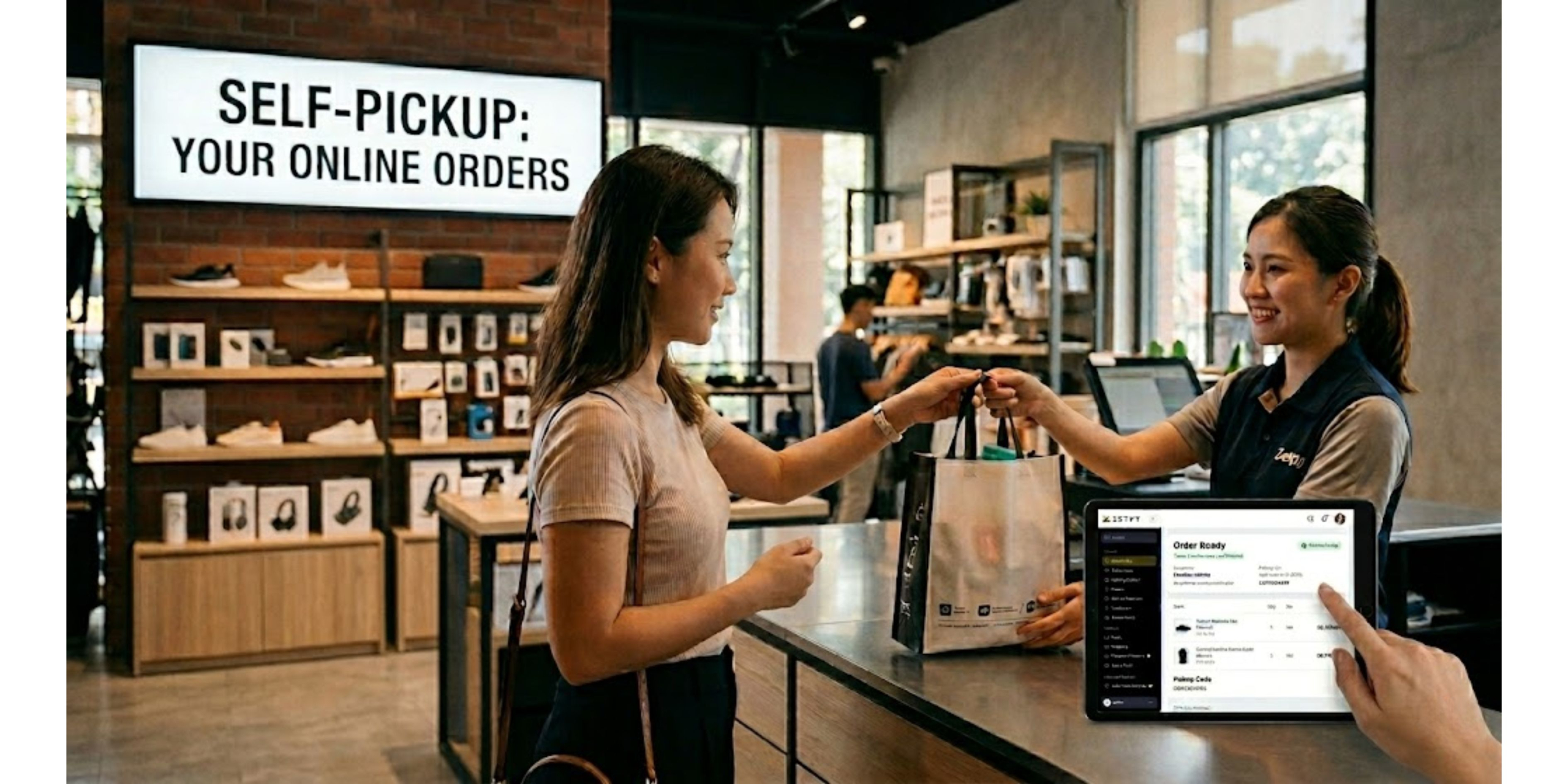
The modern shopping journey is rarely linear. A customer might discover your product on a marketplace like Shopee or TikTok Shop, browse your brand’s own website to check for deeper product details, and then decide to visit your physical location to see it in person. Alternatively, they might purchase directly through your own website and choose a self-pickup option to avoid shipping fees and get the item immediately.
While marketplaces give you massive reach and handle standard delivery, your own website and physical store can bridge the gap for local convenience. When your entire system is connected, you provide a true unified retail experience where customers can transition from your website to your storefront without friction.
2. Unified Inventory Management
Nothing frustrates a customer more than seeing an item marked “In Stock” online, only to drive to your store and find the shelves empty. Conversely, having inventory sit in your stockroom while an online buyer is told an item is “Out of Stock” costs you sales.
This is where integrating your offline Point of Sale system with your digital sales channels becomes critical. Using a data platform like Zetpy makes this process incredibly smooth. Instead of manually updating spreadsheets across Shopee, Lazada, TikTok Shop, your own website, and your physical store, a centralized system provides real time inventory sync. Every time a sale is made anywhere, stock levels update everywhere. This prevents overselling, reduces stockouts, and gives you peace of mind.
3. Smarter, Data-Driven Insights
Data is the lifeblood of modern retail. When your online and offline operations are siloed, you only get half the picture.
Connecting these channels allows you to build comprehensive customer profiles. You can track buying behaviors, preferences, and purchase history regardless of where the transaction took place. Platforms that consolidate this data help you uncover trends you might otherwise miss. For example, you might discover that a specific demographic prefers to research items on marketplaces but finalize the purchase in person at your store. Armed with this comprehensive view, you can create highly targeted marketing campaigns.
4. Maximized Sales and Increased Foot Traffic
Your online channels are powerful marketing tools for your physical location, and the reverse is equally true.
An integrated system allows you to use your physical store as a fulfillment center for orders placed on your own website, speeding up local deliveries. Furthermore, offering in-store returns or exchanges for items bought through your web store is a massive driver of foot traffic. Once that customer is back in your store making a return, there is a high probability they will browse and make an impulsive exchange or an entirely new purchase.
5. Consistent Brand Identity
If your online prices, promotions, or product descriptions differ vastly from what a customer finds in your physical store, it creates confusion and erodes trust.
Synchronizing your operations ensures that your brand message, pricing strategy, and promotional campaigns remain consistent. A unified front reassures customers that they are getting the best experience and the correct information, no matter how they choose to shop with you.
The Bottom Line
The dividing line between physical and digital retail has blurred permanently. Consumers across the region demand convenience, flexibility, and consistency.
Building a solid omnichannel retail strategy transforms your business from a fragmented operation into a connected powerhouse. It streamlines your backend operations and delights your customers. Bridging this gap does not have to be an operational nightmare when you have the right technology doing the heavy lifting in the background. The future of retail belongs to the connected, and the best time to start building those connections is today.
Book a Demo to learn how Zetpy can connect your online channels and physical store.