5/5 Mega Sale: The Efficiency Checklist from Zetpy
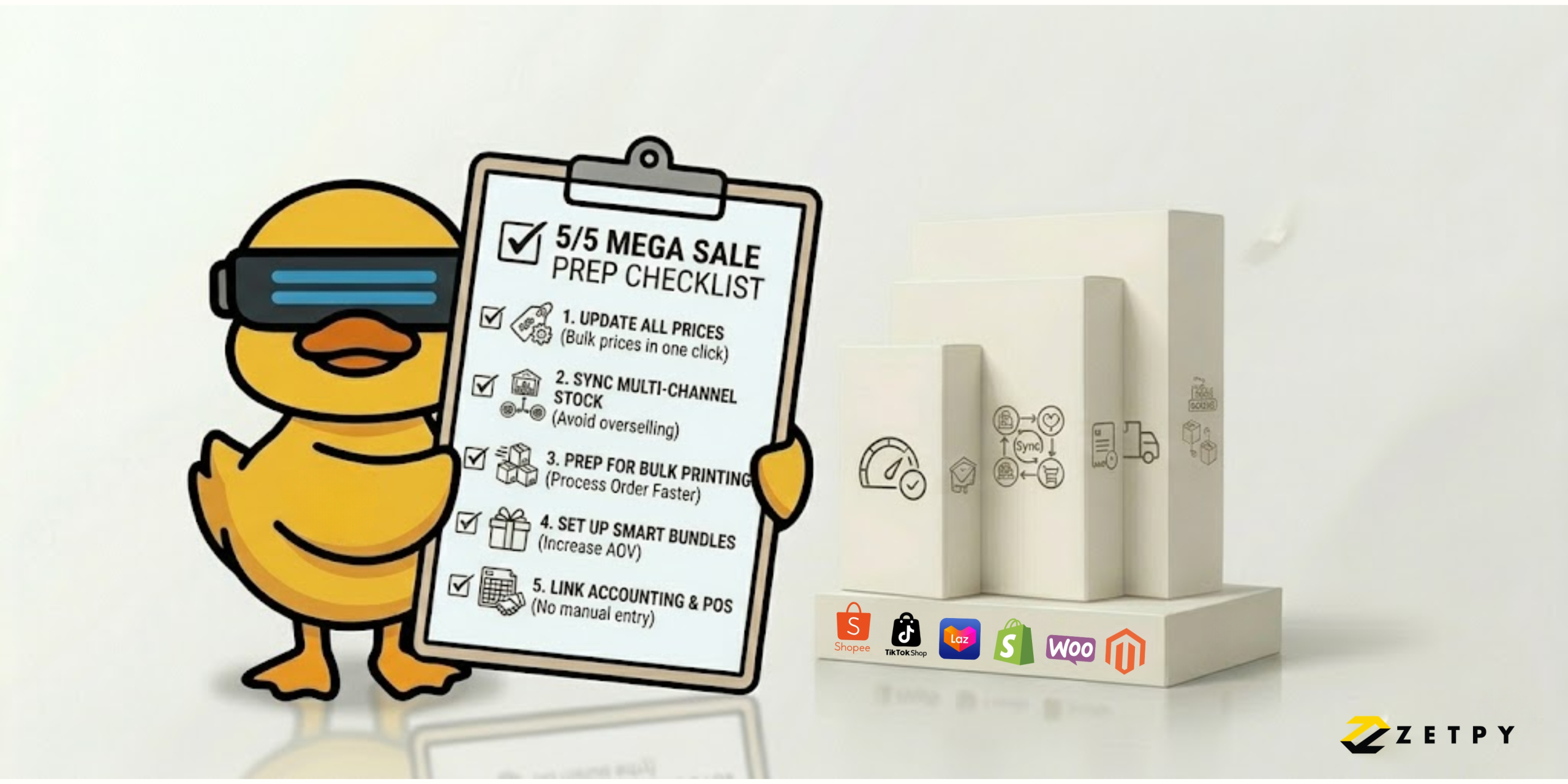
Success on 5/5 isn’t just about the discount; it’s about how well you handle the surge. Use this streamlined checklist to maximize your ROI and keep operations airtight.

1. Inventory Integrity

–  Sync All Channels: Ensure stock levels are identical across Shopee, TikTok Shop, Lazada, Shopify, WooCommerce, and Magento.

– Prevent Overselling: Let Zetpy’s Real-time Inventory Sync update all platforms the second a sale occurs. Protect your seller rating and avoid the headache of canceling orders.

2. Pricing & Promotion

– Update Product Prices: Double check and update your pricing to ensure it remains it’s competitiveness with other sellers.

– The Zetpy Shortcut: Skip the individual seller centers. Use the Zetpy’s Bulk Price Update tool within each marketplace plugin to push new prices in one click.

3. Operational Speed

– Prep for Bulk Printing: Organize your warehouse team for high-volume picking, packing and shipping.

– One-Click Processing: Process all Shopee, TikTok Shop, and Lazada orders within Zetpy. Managing everything on one screen beats jumping between multiple tabs.

4. Smart Bundling

– Boost Your AOV: Create “Buy 1 Free 1” deals or gift sets to clear slow-moving stock and increase your Average Order Value.

– Automated Logic: With Zetpy’s Bundle Feature, when a bundle sells, the individual component stock levels update instantly across all your stores. No manual math required.

5. Accounting & POS Integration

– Eliminate Manual Entry: Stop typing sales data into your books by hand.

– Auto Sync Your marketplace orders: Automatically push your 5/5 orders to AutoCount, Xero, and QBO, or your POS systems like Xilnex and Zeoniq. Stay 100% accurate without the human error.


The Zetpy Value: Why work harder when you can work smarter? Zetpy acts as your Single Source of Truth, turning a chaotic multi-channel sale into a streamlined, automated success story.

top the manual grind. Book your demo today and reclaim your time to scale.
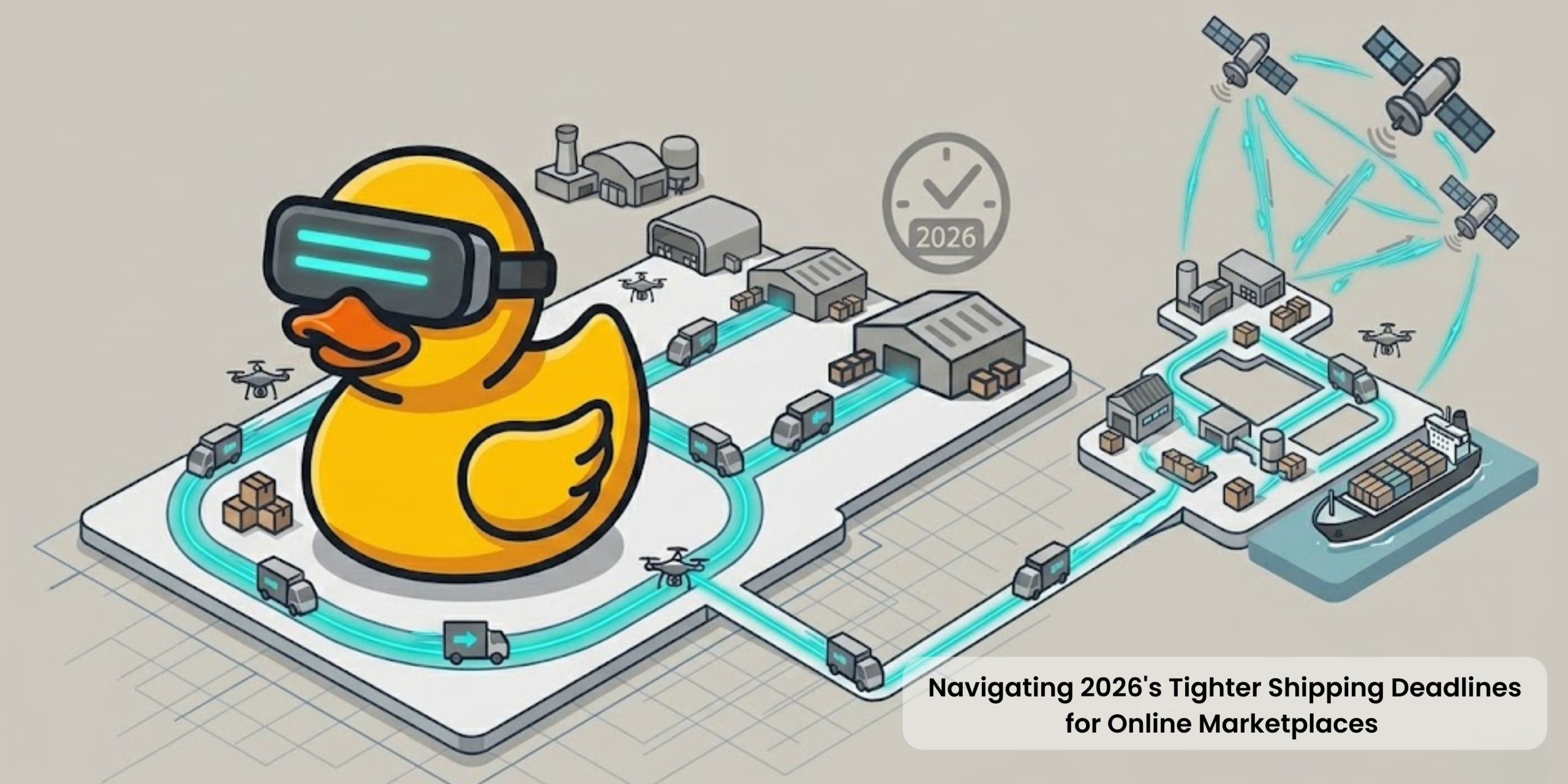
Embracing the Speed: Navigating 2026’s Tighter Shipping Deadlines for Online Marketplaces

Embracing the Speed: Navigating 2026’s Tighter Shipping Deadlines

The e-commerce landscape in 2026 has officially shifted gears. For sellers on Shopee, TikTok Shop, and Lazada, the focus has moved toward “Full-Speed Fulfillment.” While these updates reflect a global trend toward faster delivery standards, they also offer a unique opportunity for organized sellers to stand out and earn higher visibility.

Here is how you can align your operations with the latest marketplace standards without the stress.


1. Understanding the 2026 “Speed” Standards

Marketplaces have updated their policies to help sellers meet the growing consumer demand for reliability. Here’s a quick look at the current landscape in Malaysia:

  • Shopee: Saturday is now a standard fulfillment day for Shopee Mall, Preferred, and Managed sellers. This change is designed to reduce the “weekend backlog” and ensure buyers receive their Friday orders much sooner.

  • TikTok Shop: The platform now emphasizes a Fast Dispatch Rate, with a goal of having orders scanned by carriers within 48 hours. By moving toward centralized logistics, TikTok Shop helps sellers maintain a consistent shipping experience for every customer.

  • Lazada: With the Fast Fulfillment Rate (FFR) program, sellers hitting these targets often see a boost in their “Priority Delivery” status, which is a major conversion driver.


2. Best Practices for Smooth Fulfillment

Instead of seeing these deadlines as a hurdle, treat them as a framework for a more efficient warehouse.

  • Implement a Saturday “Skeleton Crew”: With Saturday now being a working day for many, a small rotating team can ensure Friday night orders are out the door by Saturday afternoon, keeping your Days to Ship (DTS) metric in the green.

  • Adopt “First-In, First-Out” (FIFO): Ensure your packing team prioritizes orders based on the time they were placed. This prevents older orders from accidentally slipping into “Late Shipment” territory.

  • Real-Time Stock Monitoring: Tighter deadlines mean less time to react to stockouts. Keeping an accurate, real-time count of your inventory is the best way to avoid the “Seller-Fault Cancellation” penalties that marketplaces monitor closely.


3. Sync Your Success with Zetpy

Managing multiple deadlines across different platforms doesn’t have to be a manual struggle. Zetpy is designed to harmonize these marketplace requirements into one clean, manageable workflow.

  • Centralized Order Management: See every order from Shopee, TikTok Shop, Lazada, Shopify, WooCommerce and Magento on a single dashboard. You no longer need to jump between tabs to see which platform’s deadline is approaching first.

  • Real-Time Inventory Sync: When you sell an item on TikTok Shop, Zetpy instantly updates your stock levels across Shopee, Lazada, Shopify, WooCommerce and Magento. This prevents overselling and protects your seller rating.

  • Bulk Processing Power: Use Zetpy’s bulk-printing tools to generate AWBs for all three marketplaces at once. What used to take hours of clicking can now be done in minutes, giving your team more time to focus on packing.

  • Seamless Data Flow: From the moment an order is placed, Automated the orders syncing with your accounting software like Autocount, Xero or Quickbooks Online or POS system like Xilnex or Zeoniq, Zetpy ensures your data moves as fast as your parcels.


The tighter deadlines of 2026 are a sign of a maturing, high-growth market. By leaning into automation and organized workflows, you can turn these requirements into a competitive advantage.

Ready to simplify your omnichannel fulfillment? Learn how Zetpy can help you master Shopee, Lazada, and TikTok Shop here.

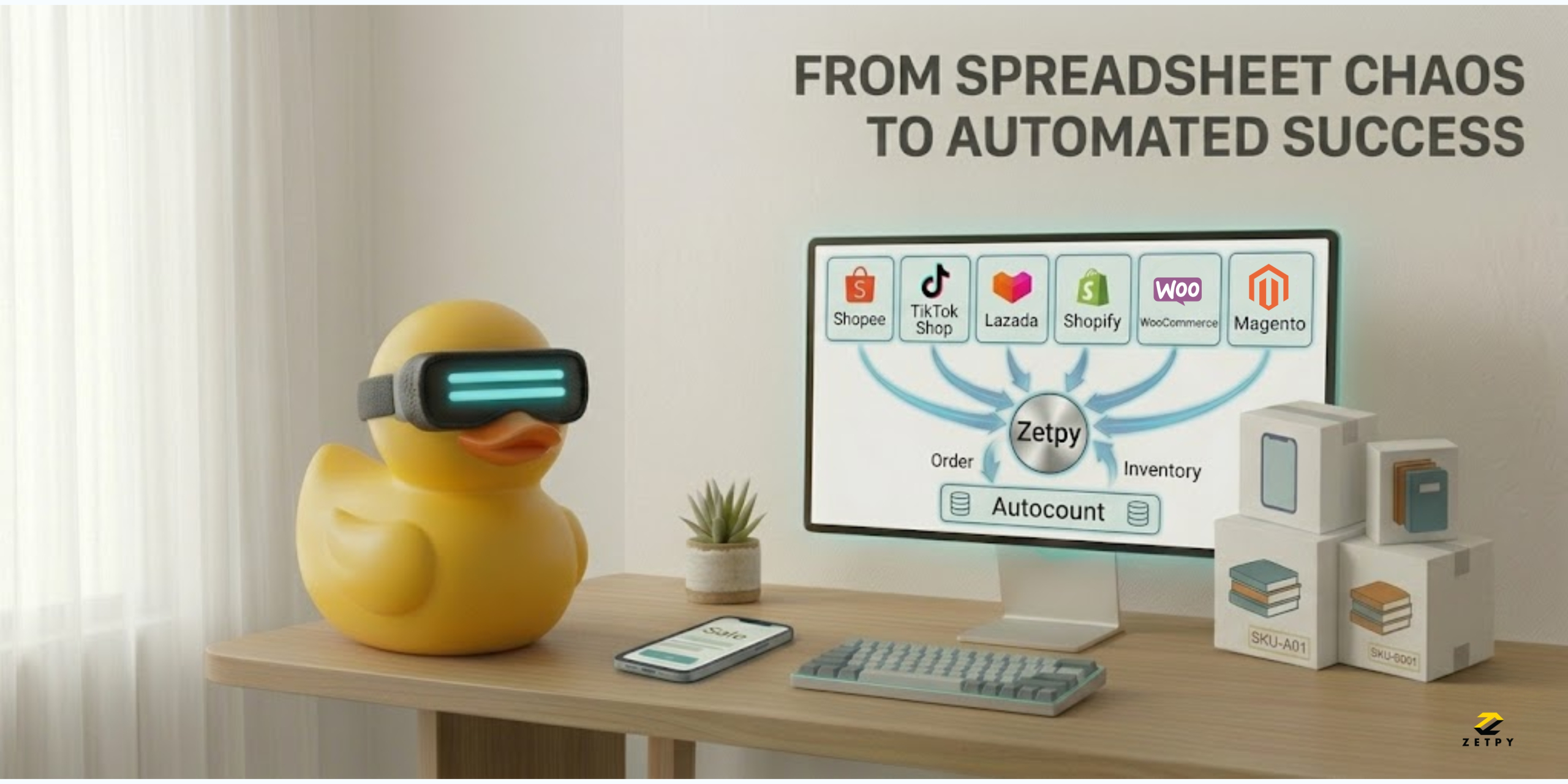
From Spreadsheet Chaos to Automated Success: The Guide for AutoCount Users

You didn’t start your business to spend your nights buried in Shopee spreadsheets or manually keying invoices into AutoCount. Yet, as a growing SME, this is often the “success tax” you pay. As orders climb across Shopee, TikTok Shop, Lazada, Shopify, WooCommerce and Magento, your team remains shackled to their desks, drowning in admin work instead of strategizing for the next big win.

Manual data entry isn’t just a time-sink; it’s a liability. Every keystroke is a potential human error that leads to messy audits, phantom stock-outs, and operational nightmares. More importantly, it drains your team’s creative energy, trading high-level growth for low-level processing. It’s time to stop surviving your sales and start scaling them.

Here is how to leverage Zetpy’s AutoCount Sync to automate your stock and order management, finally giving your business the room to breathe and grow.


1. Effortless Inventory: From AutoCount to the World

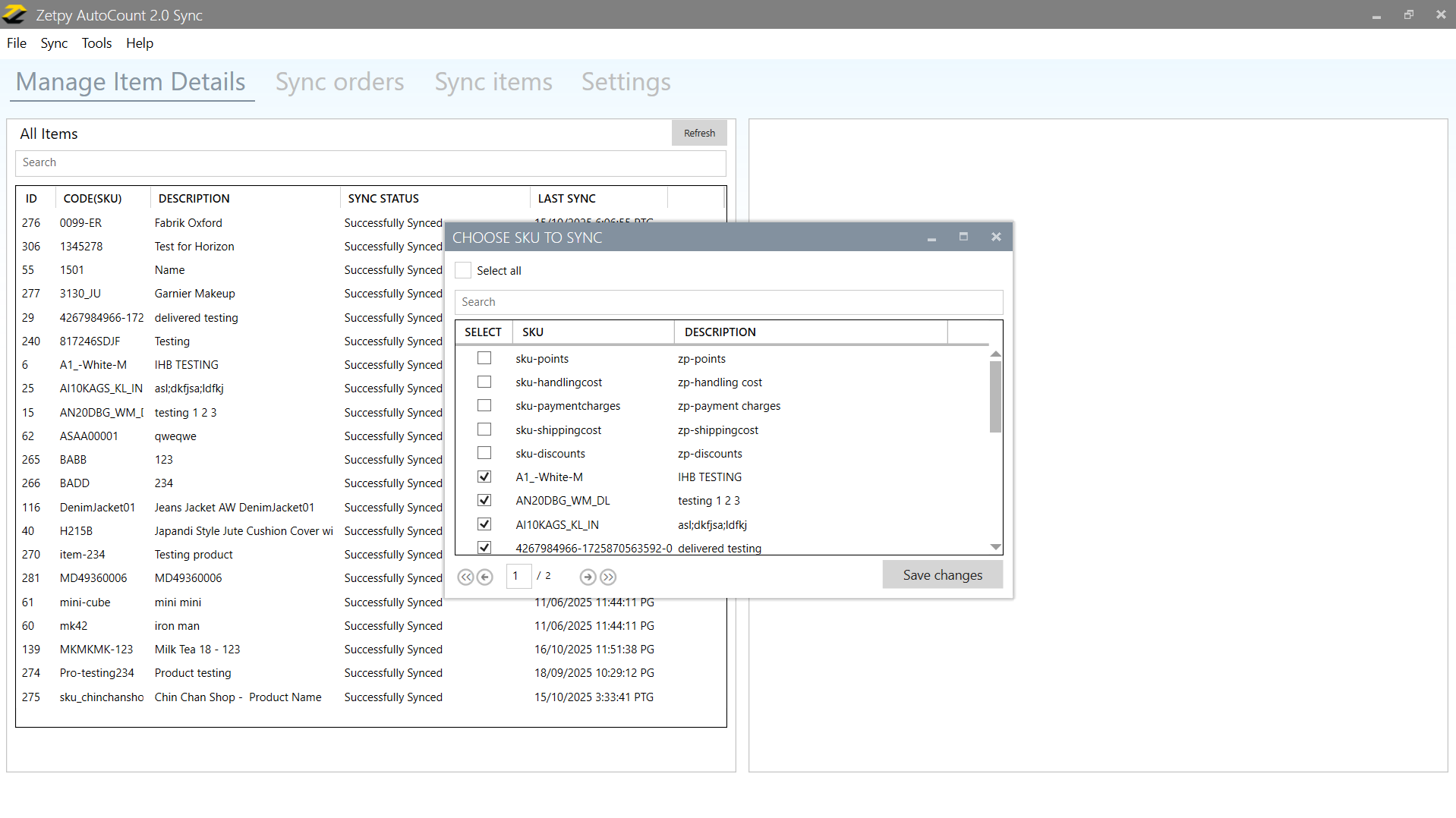
Stop managing stock platform-by-platform. Our middleware allows you to seamlessly pull your product data from AutoCount into Zetpy. Simply navigate to the Sync Item List and pick the SKUs you want to bring into the Zetpy ecosystem.

Once your items are in Zetpy, you can easily push these listings to any connected marketplace with just a few clicks.

Pro-Tip: Ensure the SKU (Stock Keeping Unit) on your online stores is identical to the Item Code in your AutoCount software.

– The Result: Whether a sale happens on Shopee, TikTok Shop, or Lazada, Zetpy identifies the SKU and instantly tells AutoCount exactly which Item Code to deduct.

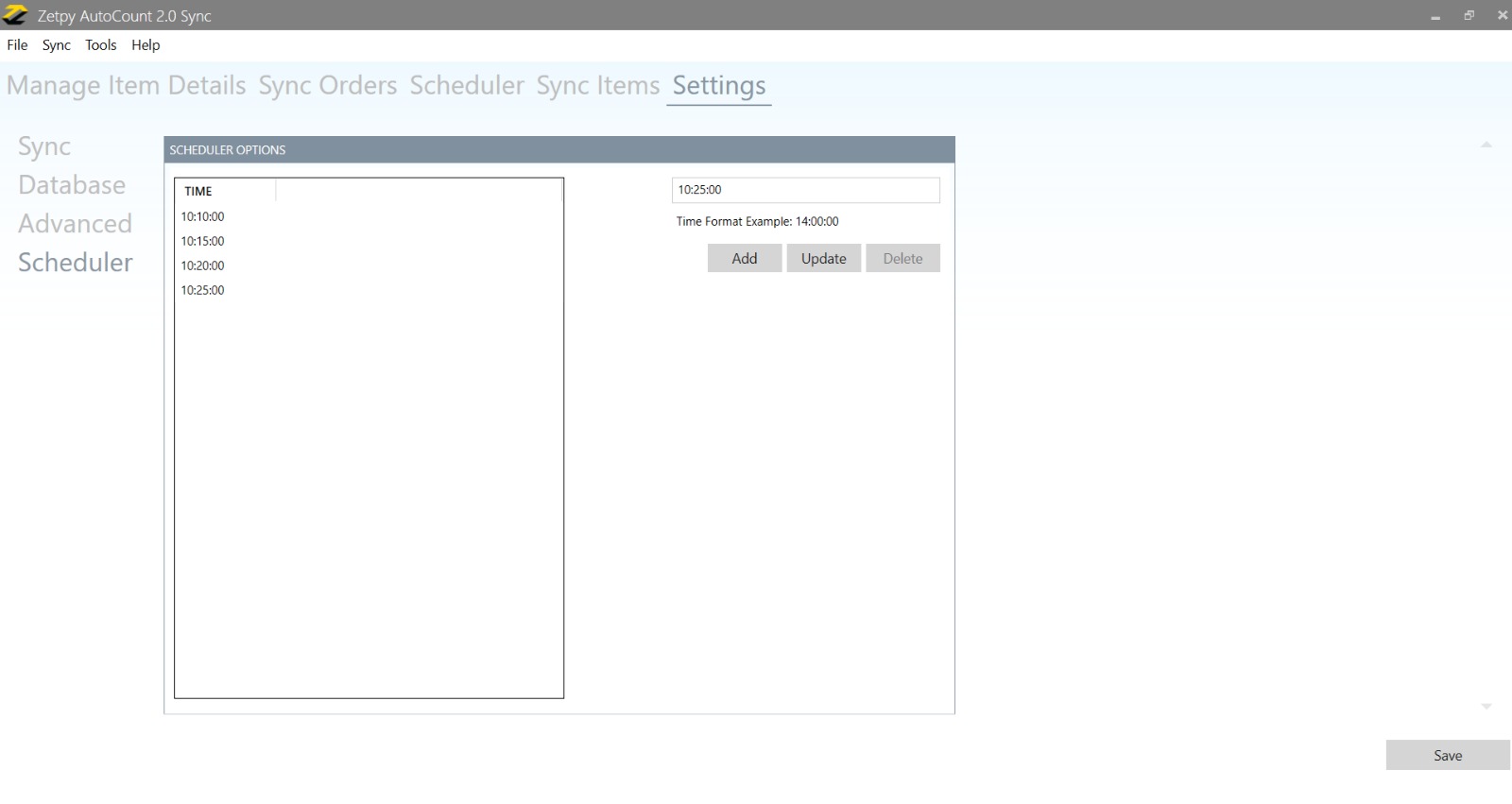
By default, the stock check runs every 5 minutes, but you can easily adjust this frequency in your settings to match the pace of your business.


2. Precision Syncing: You Choose Which Orders Count

Don’t clutter your accounting with cancelled or pending orders. Zetpy gives you full control over Order Status Syncing. Most users prefer to sync only “Ready to Ship” or “Completed” orders, as this significantly reduces the risk of syncing an order that might later be cancelled.

– The Zetpy Workflow: Once your status rules are set, our middleware automatically extracts those specific order details and pushes them into AutoCount.

– The Result: Sales Invoices are generated automatically. Your admin staff graduates from “data typists” to “growth managers,” giving your team the mental space to focus on your next big business goal.


3. Say Goodbye to Manual Entry: One Click or Zero Clicks

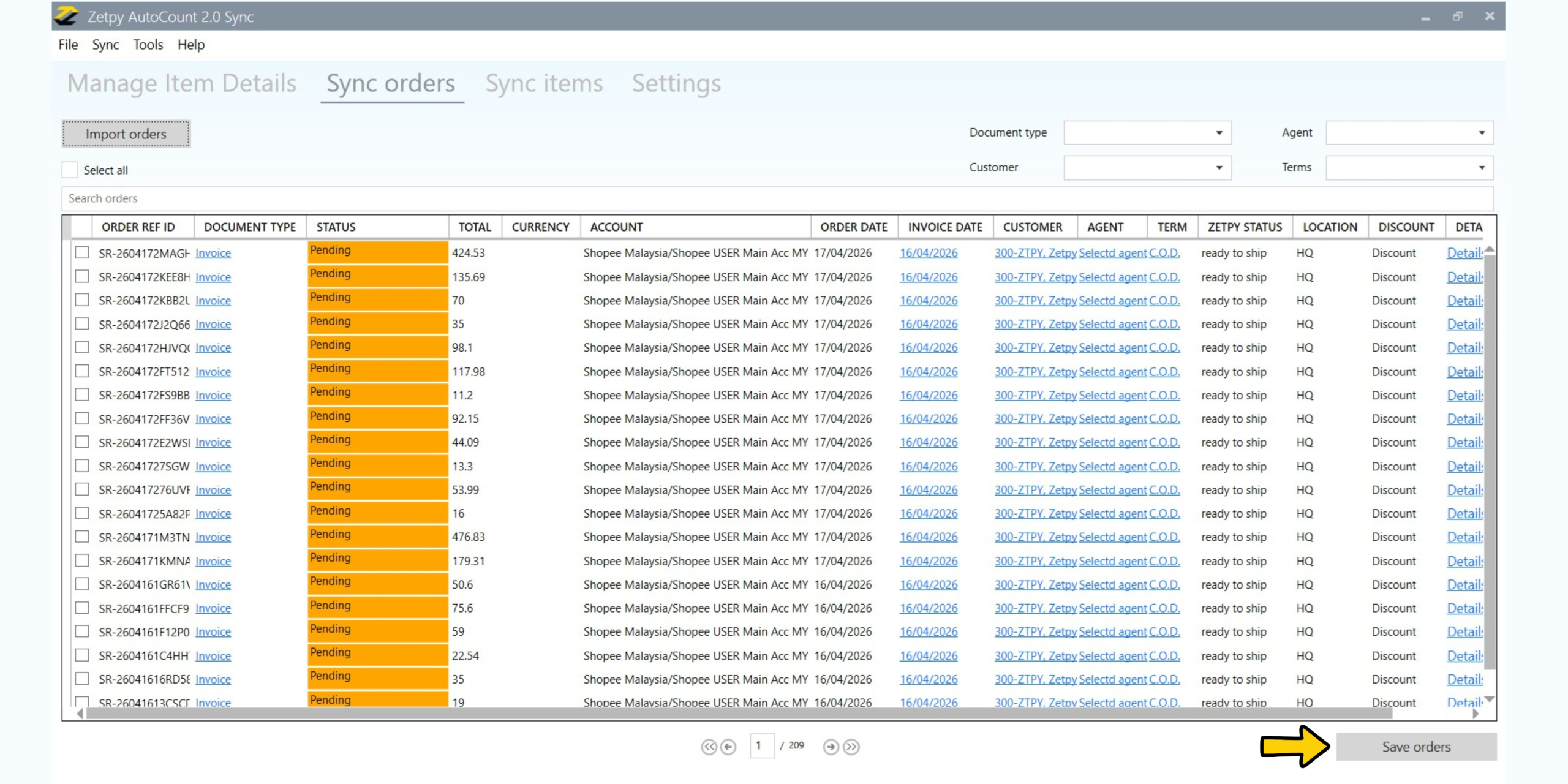
Still typing orders one by one? Those days are over. With our middleware, you can pull orders from all connected marketplaces and webstores into AutoCount instantly.

Choose your speed:

– The One Click: Sync everything across all platforms with a single button.

– The Set-and-Autorun: Use our Customized Scheduler to automate the process entirely.


The Zetpy Advantage for AutoCount Users

Zetpy AutoCount Sync isn’t just a generic tool; it’s built for the specific way Malaysian SMEs operate. We understand that every business is unique. If you have specialized requirements or a specific workflow, feel free to contact us; we are always ready to help tailor the solution to your needs.

Stop managing spreadsheets and start managing your business.

Ready to see it in action? Book a 1-on-1 Demo 

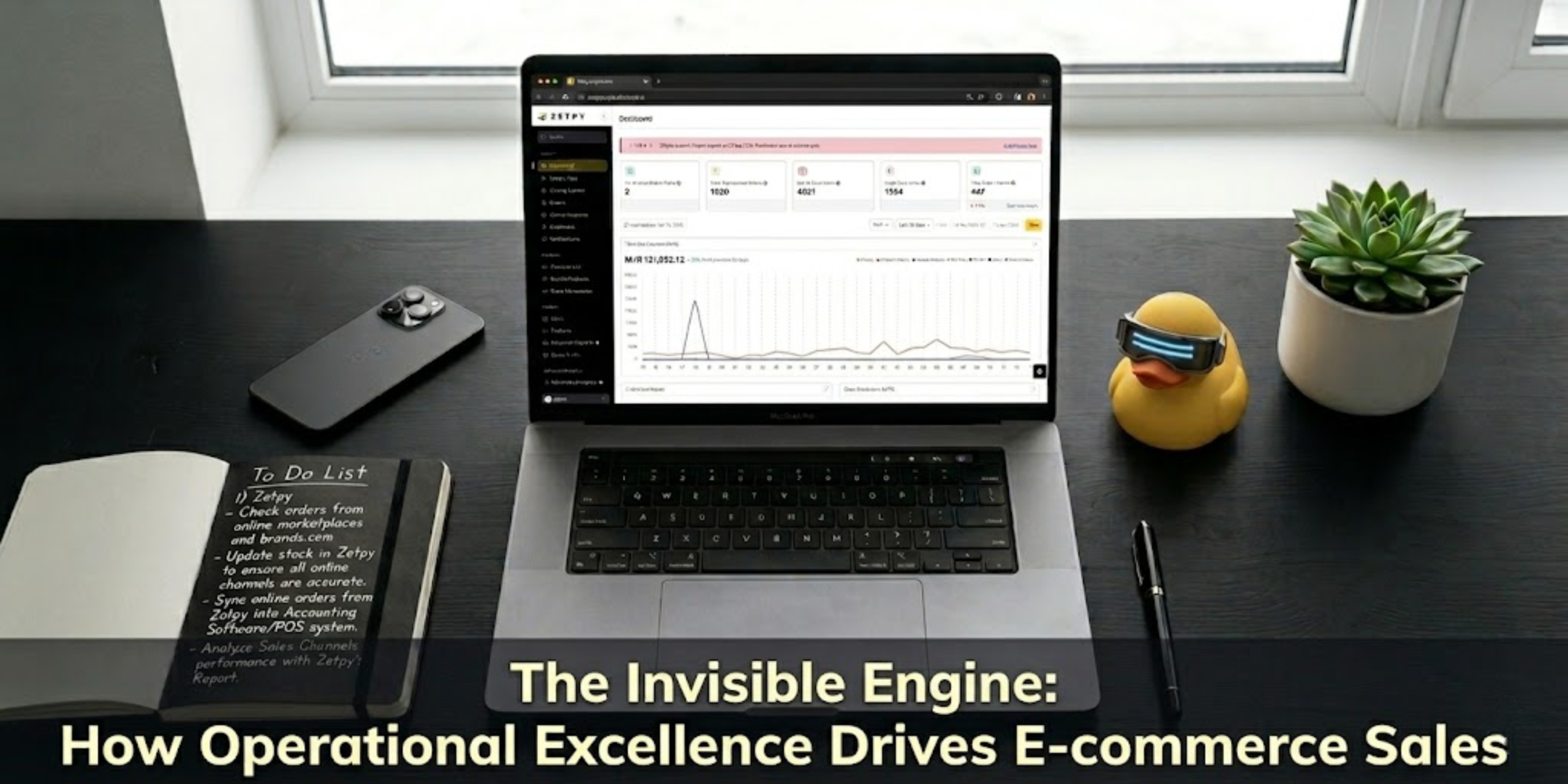
The Invisible Engine: How Operational Excellence Drives E-commerce Sales

Success in a multi-channel landscape is determined long before a customer reaches the checkout page. While many focus on capturing attention, the most resilient brands focus on operational excellence. When you sell across various platforms, retaining a customer is just as critical as attracting one. Consistency across every touchpoint of your listing signals that your brand is in control. This removes the hesitation that often causes buyers to walk away and replaces it with the confidence to buy.

Building a frictionless path to purchase depends on how effectively you manage the following operational pillars.

1. Preventing Order Cancellations with Automated Inventory

There is no faster way to lose a customer’s trust than cancelling the order after customer already made payment. When business sellers sell manually across multiple platforms, a “buffer” of stock is often left as a safety net. However, this actually limits your sales potential.

A truly synchronized inventory system acts as a silent salesperson by automatically updating all your online channels and physical stores the moment a sale happens. Because your stock levels are reflected in real-time everywhere, you can confidently list every single unit you have without fear. This allows you to sell through your entire inventory efficiently, ensuring no products are left sitting on the shelf as wasted buffer.

2. The Power of “Unified Information”

Customers today are cross-platform researchers. They might discover your brand on your website but prefer to check out on online marketplace to use their vouchers. If they find different product specs, varying images, or conflicting descriptions, it makes your listings harder to find and sets off an internal “risk alarm.”

Consistency across every touchpoint signals that your brand is professional and in control. When your descriptions and technical details are identical everywhere, you remove the confusion that causes customers to hesitate, making it much easier for them to move forward with the purchase.

3. Building Trust Through Fulfillment Speed

A customer’s journey often stops at your store ratings. Before they buy, they look at your reviews to see if other people are happy. One of the best things a customer can read about you is: “Seller ships out the item very fast.”

If your business systems are not connected, your speed will suffer. However, when all your orders flow into one single dashboard that connects to your warehouse and accounting teams, you can process orders much quicker.

In e-commerce, speed is a sign of quality. A store that ships within hours of an order being placed is a store that builds trust and gets “favorited” for future purchases.


Efficiency is the Key to Growth

In a competitive landscape, the most successful stores are the ones that run the most efficiently. When your inventory is accurate, your information is consistent, and your shipping is fast, you create a professional experience that keeps customers coming back.

Zetpy makes this possible by acting as the bridge of your business. We sync your product, inventory across all online channels automatically, ensuring your operations never miss a beat. Stop fighting with manual updates and start growing your business with a system built for speed.

Arrange a Free Demo today to see how we can simplify your multi-channel operations.

The SKU Blueprint: A Guide to Scalable E-Commerce

In e-commerce, successful brands focus on one small but mighty detail: the SKU. A Stock Keeping Unit is your business’s DNA. Without a clean system, growth is chaotic; with one, your business becomes a professional, streamlined machine.

Phase 1: Building Your Manual Foundation

1. Design Your Internal Language

Unlike a global barcode, an SKU is your internal code. Manually creating a logical format (EG: BRAND-CAT-COL-SIZE) stops you from just selling “items” and starts you managing “data.”

Pro Tip: Don’t add spaces in your SKU. Some systems cannot recognize spaces, which causes errors. Stick to alphanumeric characters (letters and numbers) and hyphens (-) for the most reliable results. 

2. Aligning Your Store and Marketplace (POS)

If you run a physical retail shop alongside your Shopee or TikTok Shop, using the exact same SKU across your POS (like Xilnex or Zeoniq) and online stores creates a vital manual bridge.

How it benefits your business? When an online sale happens, you know exactly which SKU to search for and deduct from your retail stock. No more guessing which “Red Shirt” sold; you have a clear SKU to look up, saving you time while reducing potential human errors.

3. Matching Your Paperwork (Accounting)

The same logic applies to your finances. Using identical SKUs for your online listings and your inventory in AutoCount, Xero, or QuickBooks makes bookkeeping significantly faster.

Why so? When selling online, creating manual invoices is easier. Just copy the SKU, and your software pulls up the correct price and tax instantly, reducing data entry errors.

4. Precision in Fulfillment

You can’t rely on memory to run a business. Manually organizing your warehouse or storage space by SKU reduces “human error.” Your team knows exactly which stock to pack based on the SKU, preventing the nightmare of sending a “Red Medium” when the customer ordered a “Blue Large.”


Phase 2: The Automation Leap

1. Zetpy: Your Central Command

After establishing your SKU foundation, manual updates eventually hit a ceiling. Typing invoices and searching for SKUs to deduct stock by hand takes hours. Zetpy removes this burden by using your SKU architecture to automate the heavy lifting:

– Automated Stock Sync: When a TikTok Shop order arrives, Zetpy recognizes the SKU and instantly updates stock on Shopee, TikTok Shop, and your POS system. No more manual searching or typing. More importantly, it reduces the risk of overselling – a major headache for businesses selling on multiple platforms.

– One-Click Bookkeeping: With just a simple click, Zetpy pushes orders directly to your accounting software – generating invoices, recording sales, and telling your software exactly which SKU needs to be deducted.

– Focus on What Matters: You move from “doing the work” to “overseeing the system.” Instead of wasting hours on tedious manual updates, you can spend your time where it matters


Summary

A professional business starts with a commitment to clean data. By combining a solid SKU foundation with Zetpy’s automation, you stop firefighting inventory issues and start focusing on actual growth.